Call us +91 7042263482
  Email - help@witan.in
A place where culture pervades every song, dance, and handwoven cloth, Mizoram is more than just a picturesque paradise tucked in the lush hills of Northeast India. With its deep history, friendly citizens, and excellent craftsmanship, this state has earned the nickname “Songbird of the Northeast.”
Immersing yourself in the cultural rhythms of Mizoram and exploring the creativity of its handicrafts – which are both beautiful and functional – is one of the best ways to understand the state.
A Culture Rooted in Community and Tradition
Mizo culture is derived from the philosophy of Tlawmmangaina.
it emphasizes selflessness, hospitality and helping others.
This value instructs society to prioritize the common good over individual interests, whether in celebrations, day-to-day interactions, or even in disputes.
Dance and music are also integral parts of Mizo culture. Festivals like Chapchar Kut (celebrated after the clearing of Jhum crops) would be impossible to celebrate without the famous Cheraw dance, in which women gracefully enter and exit while the men play long bamboo sticks.
These acts are more than just entertainment.
They are traditions that have been going on for centuries.
Also Read
An Introduction to Ecotourism in India- Witan India
Best rural tourism places in India: A guide to destinations
The Art of Mizo Handicrafts
There are a lot of handicraft items made by artisans in Mizoram that blend creativity with practicality. The hilly landscape and bamboo-rich forests influence the way local people express themselves through their craftsmanship.
The handicrafts made here are not mass-produced but carefully crafted and each craft reflects the artistry and tradition of its creators.
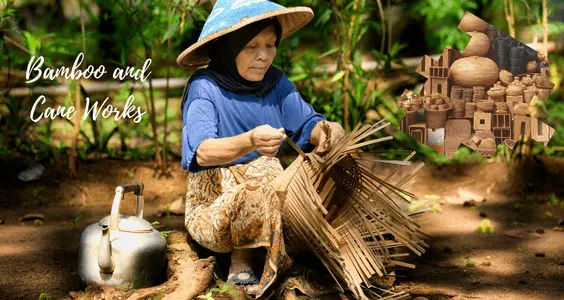
Bamboo and Cane Works – The basis of Mizo handicrafts is bamboo. Everything from beautiful furniture and hats to sturdy baskets and trays are skillfully made from bamboo and cane. baskets like paikwang and paiem serving both beauty and function. Apart from being a household necessity, these items also have cultural significance.
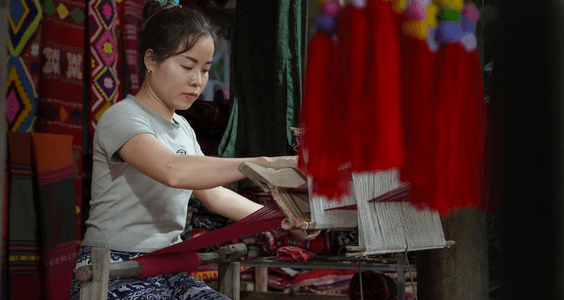
Textiles and Weaving – Mizo women are famous for their weaving skills. They use old waist looms to create colourful skirts, corsets and shawls, with patterns reflecting social status or clan identity. The Puanchei is a vibrant wrap-around skirt that is a staple of festivities and the pride of Mizo women.
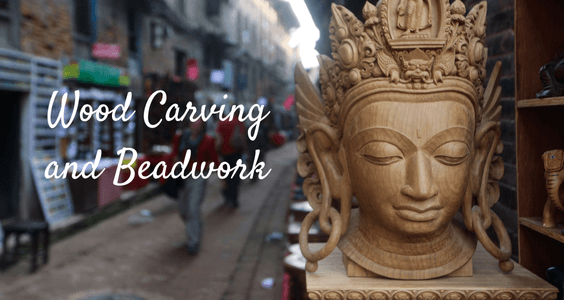
Wood Carving and Beadwork – They are less popular than weaving but wood carving and bead work are also part of Mizoram’s craft heritage. Handmade, traditional jewellery, ceremonial objects and decorative items are symbols of beauty with deep cultural roots.
Handicrafts as a Way of Life
What makes Mizo handicrafts unique is their connection to everyday life. The bamboo basket represents the ability to survive in the mountainous environment and is not just a means of transporting goods.
An authentic knitted shawl is more than just clothing – it is a symbol of identity and pride. Mizoram’s handicrafts are an excellent example of sustainability.
They are made from natural, regional resources, and generate very little waste.
Craft traditions also play a role in strengthening community bonds. Women often come together to weave and teach the next generation of weavers.
This is to preserve not only the art, but also the tradition.
The Cultural-Commercial Bridge
The world is now taking notice of what the Mizos have always known – bamboo crafts and hand-woven textiles. Several government initiatives, cultural festivals and tourism programmes have contributed to giving the artisans the recognition they deserve.
Mizoram’s bamboo crafts and handwoven textiles are becoming more popular due to their durability and authenticity. consumer demand for eco-friendly products is rising.
But the uniqueness of Mizo handicrafts is what makes them truly fascinating. Be it a hand-woven puan or an intricately carved bamboo basket, each item reflects the warmth of human hands that remains unaffected by the uniformity of machines.
Conclusion
The handicrafts and culture of Mizoram are intertwined like two sides of a coin. The music, dance, values and crafts of the people create a colourful and timeless fabric of identity. When you visit Mizoram or see the handicraft items there, it feels like you are entering a living museum; each artifact highlights the strength of traditions and stories of ancestors. Mizoram is not just a state; it is a celebration of culture, community and inventiveness. And its craftsmanship reflects that soul.